BCI-Controlled Robotic Car
MIND at UCalgary drives a robotic car with NeuroPawn EEG.
How It Works
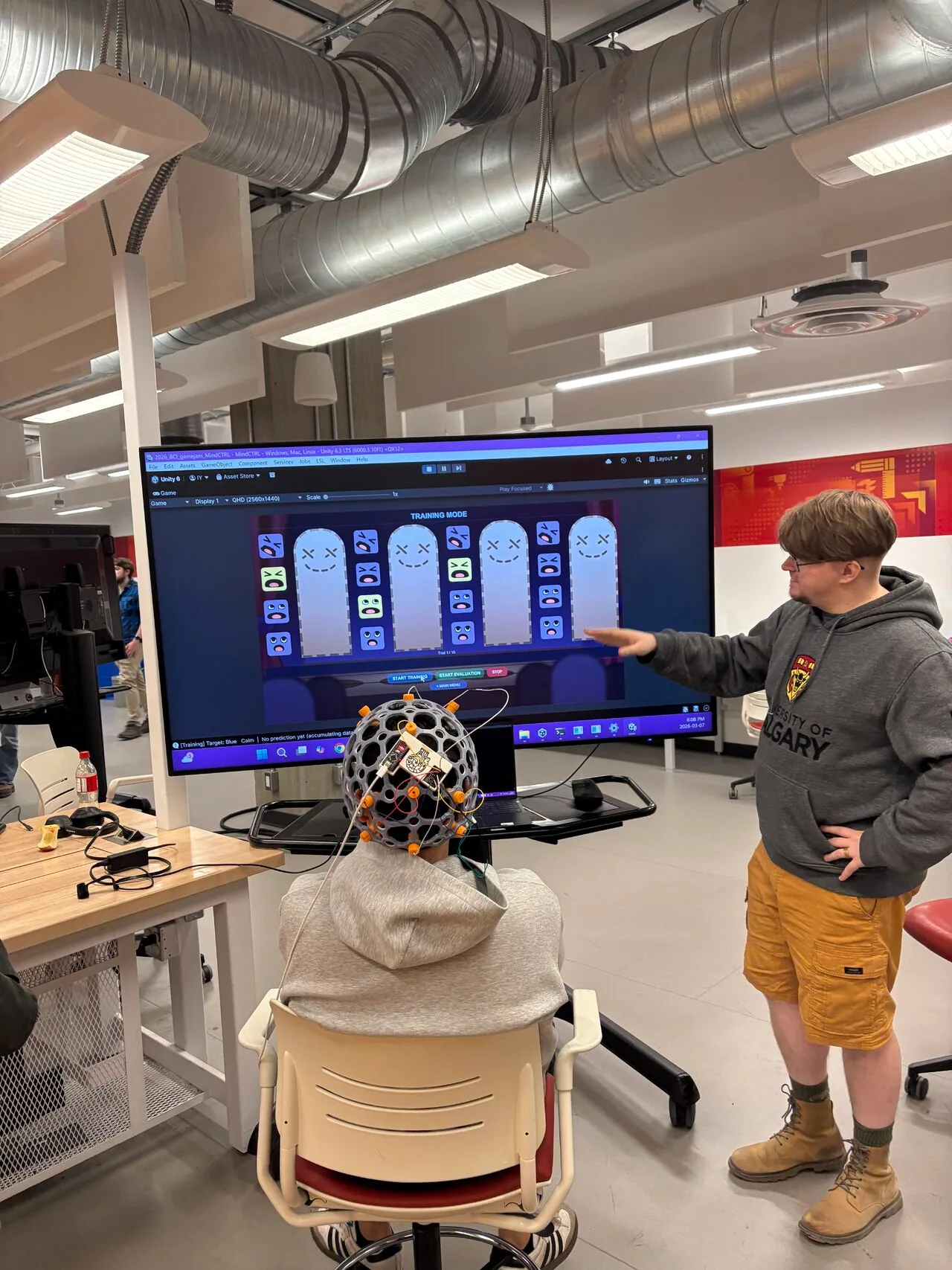
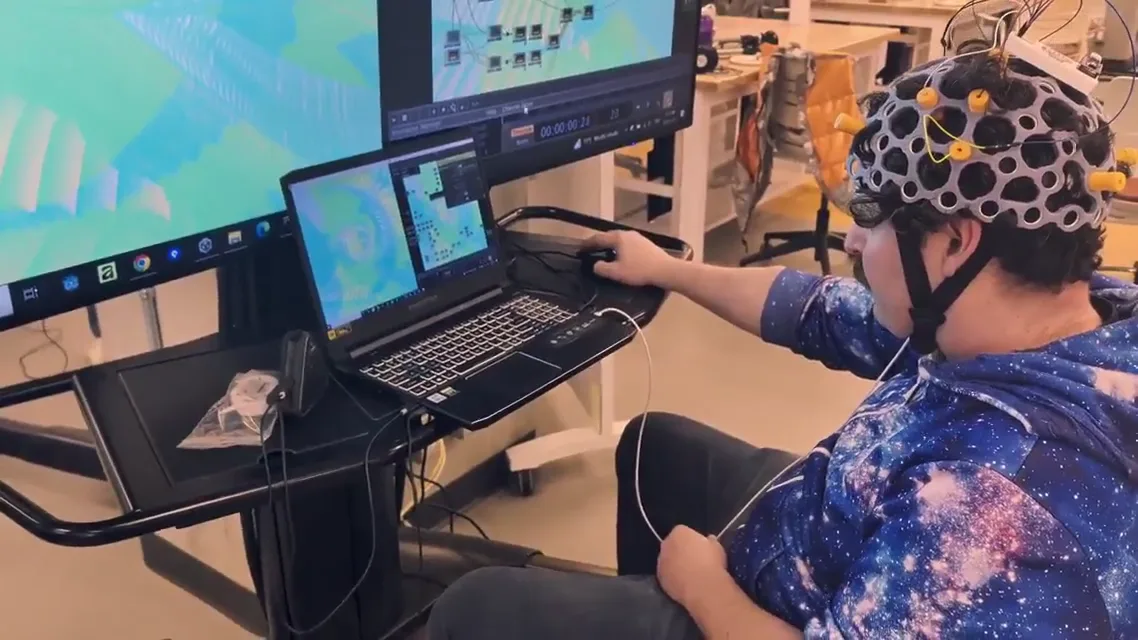
The system detected brain activity associated with different hand-clench intentions and streamed those signals to a computer in real time. A Python program processed the incoming EEG data, classified the user’s intended command, and sent instructions to a Raspberry Pi 5 connected to the robotic car.
The team programmed different signals to control different movements: right-hand clench to turn right, left-hand clench to turn left, both hands to move forward, and no clench to keep the car still.
Results
After several short training trials for each command, the team trained a signal classifier that could recognize the different control signals with high accuracy while requiring fewer than 15 training trials per class. This made the system easy to retrain for new users and accessible for hands-on learning.
What’s Next
This project gave students practical experience in EEG, Python programming, machine learning, Raspberry Pi control, and real-time BCI systems. It also laid the foundation for their next project: NeuroArm, an advanced system aimed at controlling an exoskeleton arm using brain signals.
At NeuroPawn, we are proud to support projects that help students turn BCI concepts into real working systems. Projects like this show how accessible neurotechnology can help students move from learning about brain signals to building devices controlled by them.